Article Summary:
Processing high-hardness ores such as basalt, granite, quartz, and hard iron ore requires specialized machinery capable of withstanding extreme compressive forces. While standard light spring roll crushers are unsuitable, heavy-duty hydraulic double roll crushers engineered by Apex (Apex) Heavy Industry deliver exceptional tertiary fine-crushing performance. This article details reinforced metallurgical configurations, operational boundaries, and optimized flowsheets for hard-rock mining projects.
Processing high-hardness ores such as basalt, granite, quartz, and hard iron ore requires specialized machinery capable of withstanding extreme compressive forces. While standard light spring roll crushers are unsuitable, heavy-duty hydraulic double roll crushers engineered by Apex (Apex) Heavy Industry deliver exceptional tertiary fine-crushing performance. This article details reinforced metallurgical configurations, operational boundaries, and optimized flowsheets for hard-rock mining projects.
Direct answer: Yes, but it must be a heavy-duty hydraulic model featuring wear-resistant upgrades, and it is strictly designated for medium and fine crushing rather than primary coarse reduction. Double roll crushers fracture rock through low-speed compression, a comminution mechanism well-suited for hard rocks including quartz, basalt, granite, dense iron ore, and chalcopyrite. Standard light spring roll crushers lack the structural rigidity required for high-hardness minerals, resulting in rapid shell wear and frame deformation [Custom Parameters Available].
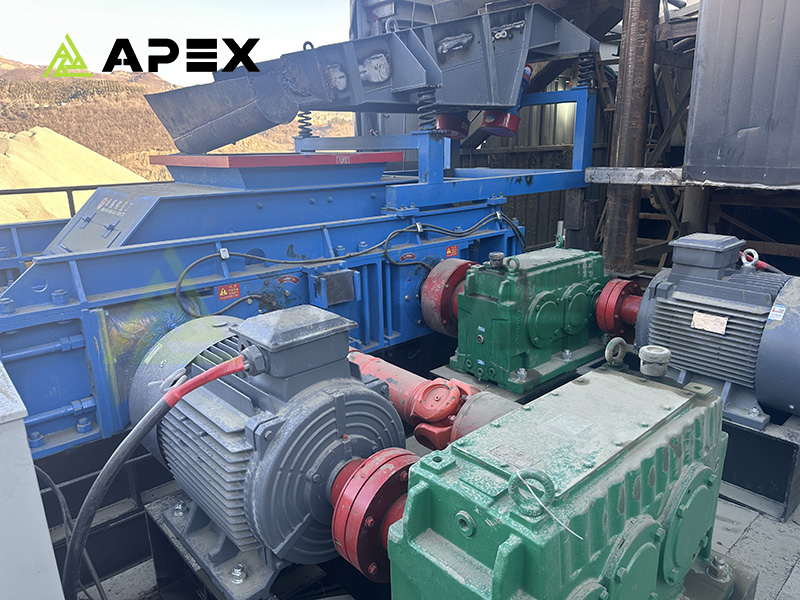
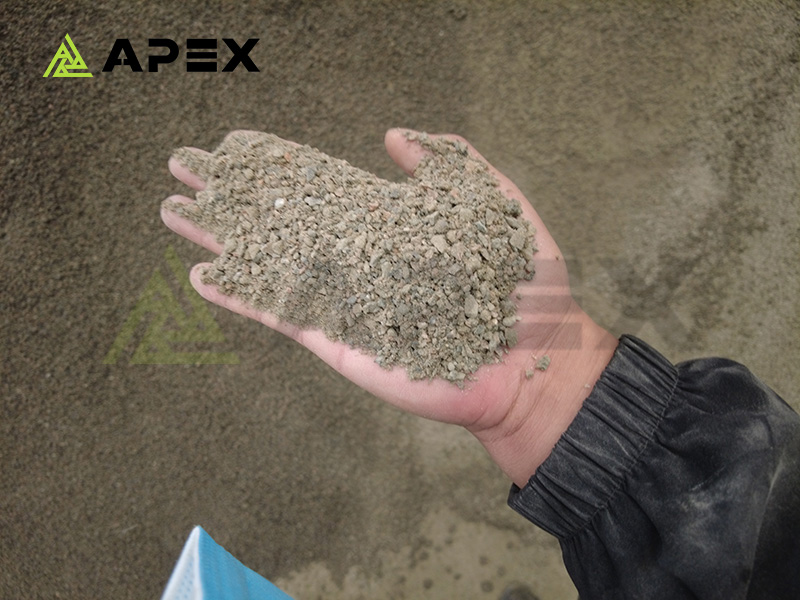
Apex Heavy-Duty Hydraulic Double Roll Crusher Processing Hard Quartzose Ore
1. Apex Reinforced Configuration for Hard Ores
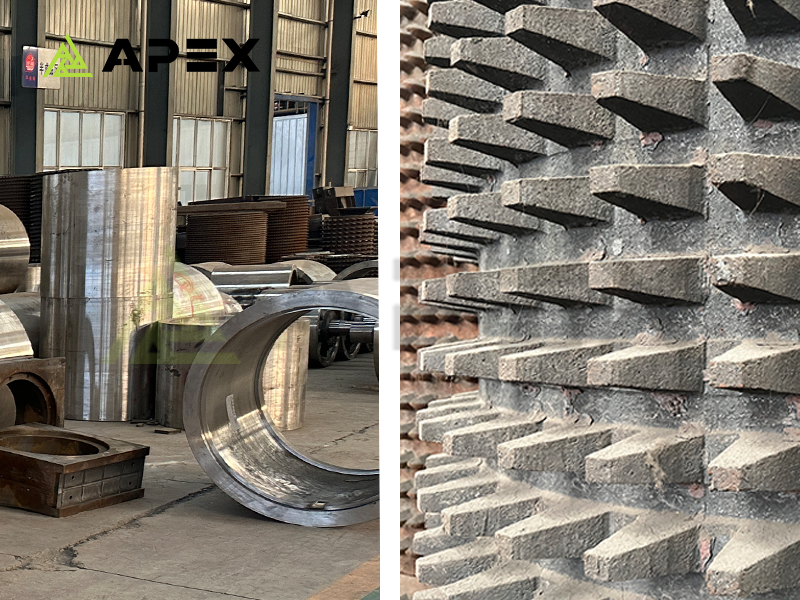
- High-Chromium Manganese Alloy Roll Shells: Outfitted with wear-resistant hardfacing overlays to withstand severe quartz and silicate abrasion. Segmented modular designs allow partial shell replacements without changing entire roller assemblies, preserving spare parts budgets.
- Hydraulic Spring Buffer Protection: Integrated hydraulic accumulators and springs enable movable rolls to retract instantly when uncrushable tramp metal enters the crushing cavity, protecting structural integrity.
- Reinforced Heavy-Duty Frame & Base: Constructed with thick structural steel plating and heavy-load bearing blocks designed to absorb high compressive crushing forces without flexing.
- Hydraulic Gap Adjustment: Online spacing controls let operators tune discharge top sizes precisely to match downstream ball mill or sand-making specifications.
2. Typical Hard-Rock Beneficiation Flowsheet
Optimized Circuit Sequence:
ROM Hard Ore to Primary Jaw Crusher to Secondary Cone Crusher to Vibrating Screen to Apex Heavy Hydraulic Double Roll Crusher (Tertiary Fine Crushing) to Closed-Circuit Screening to Ball Mill Grinding Circuit / Finished Aggregate Stockpile [Custom Parameters Available].
3. Important Operational Guidelines for Hard Rock
- Not a Primary Crusher: Never feed massive run-of-mine hard boulders directly into a roll crusher; primary jaw and secondary cone reduction remain mandatory.
- Upstream Magnetic Separation: Install overbelt magnets ahead of the roll crusher to extract tramp iron and prevent unnecessary hydraulic relief cycles.
- Quartz Content Impact: Higher free silica and quartz percentages increase abrasive wear rates, shortening roll shell service intervals accordingly.
- Superior Shape & Fines Control: Compared to impact crushers, compression crushing on hard rock generates fewer ultra-fine slimes and produces superior cubical particle shapes.
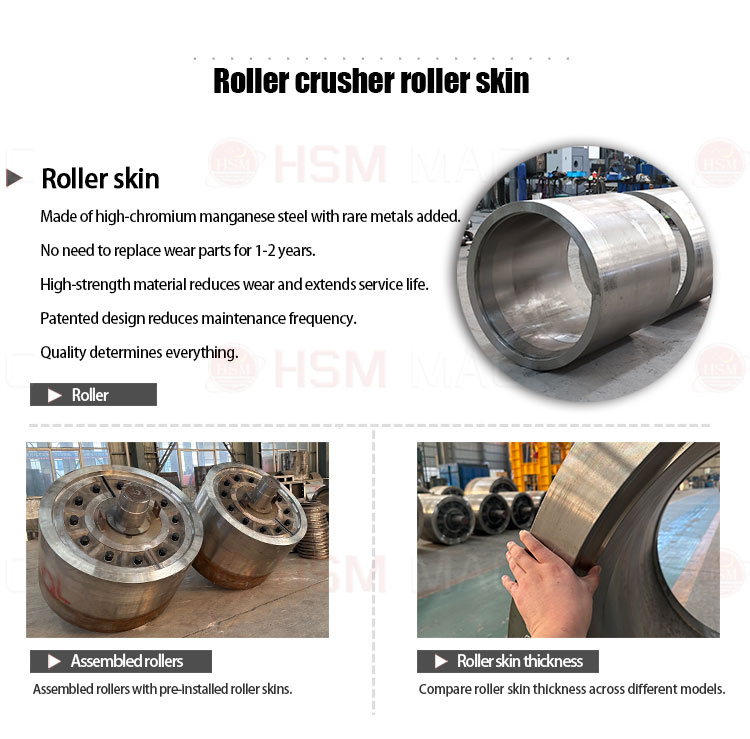
High-Hardness Basalt/Granite Aggregates and Reinforced Roll Shells
Hot Products
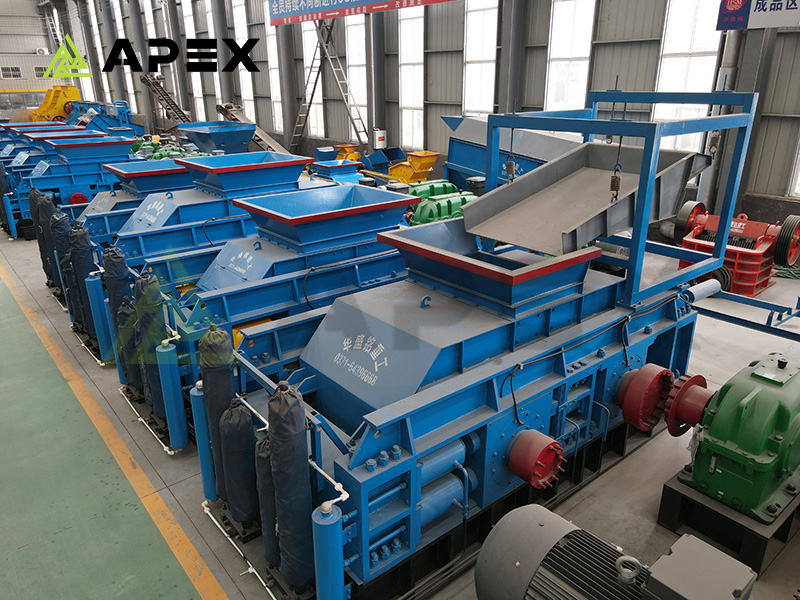
How to Solve Excessive Fine Powder in Crusher Output? Apex Double Roll Crusher for Low Over-Crushing & Cubical Particles
Can a Double Roll Crusher Process High-Hardness Ore? Engineering Capabilities and Reinforced Design
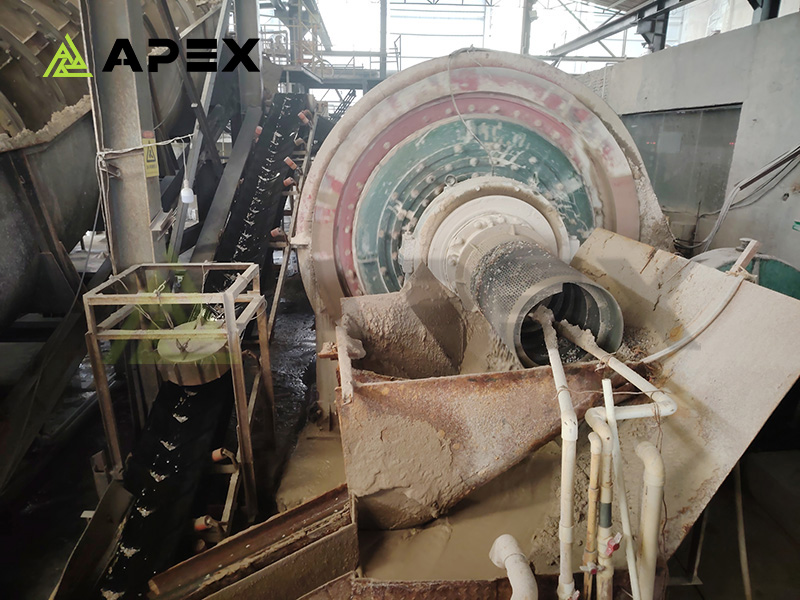
Can a Double Roll Crusher Replace a Ball Mill? The Fundamental Boundary Between Crushing and Grinding
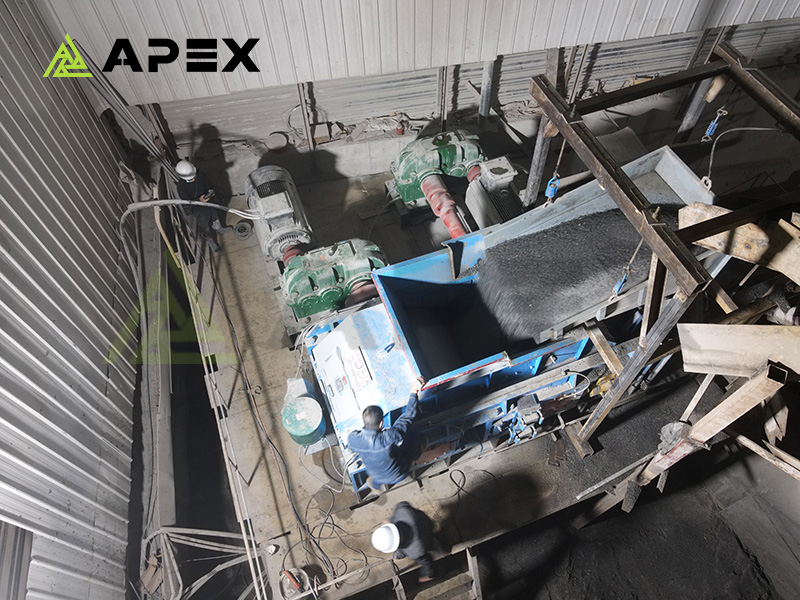
Calcite Crushing: Double Roll Crusher vs. Hammer Crusher for Whiteness Protection and Energy Efficiency